Wednesday, November 30, 2022

Best Ayurvedic Medicine For Menopause


Menopause is a process that usually begins either between the ages of 45 and 55 or before and after the age range.  It is defined as a stage when a woman`s ovaries do not produce eggs and there is a decrease in her fertility hormones.

In other words, we can define the condition as when a woman hasn’t gotten her periods for 12 consecutive months and can no longer become pregnant naturally. Many women can experience this earlier due to certain medical conditions or treatments like the removal of the Uterus.

The Office on Women`s Health says that in the United States, the average age for menopause is 52 years and it may occur earlier if a woman has never had children or if she smokes.

Physical symptoms like hot flashes, night sweats, vaginal dryness, less sex drive are some of the symptoms that women can have around the time of menopause.  The symptoms may begin before the end of menstruation and can last for several years with mild to severe impact on a woman`s quality of life. There are several ayurvedic medicine for menopause symptom. However, symptoms are manageable and can be controlled in certain ways.

Menopause in Ayurveda

Ayurveda considers menopause a transition period rather than a disease. This is very important for a woman where she has to prioritize her Physical, Mental, emotional, sexual, spiritual health and keeping this in mind there are very useful and effective ayurvedic medicine for menopause.

The Ayurveda says that the prevalence of Vata, Pitta, and Kapha doshas determines the different phases of life. The Kapha is naturally predominant from birth to puberty while Pitta and Vata are predominant from puberty until midlife and after 50 years respectively.

Menopause goes with the transition from the pitta to Vata periods of life. Moreover, there is an increase in Vata and Pitta with little change in Kapha during menopause.

Symptoms of Menopause

There is a wide range of symptoms that women can experience during menopause. Not all the women may have severe symptoms but may have some of the below

      Cyclical changes such as irregularity or heavy bleeding

      Dry skin, hair, and nails

      Itching

      Insomnia, anxiety, heart palpitations

      Depression

      Fatigue

      Low libido

      Scattered thoughts & poor memory

      Confusion or difficulty concentrating

      Mood swings and irritability

      Hot flushes and night sweats

      Headaches or migraine

      Vaginal dryness

      Fluid retention

      Unnatural weight gain

      Breast tenderness

      Increased frequency of urination or incontinence

      Increased possibility of urinary tract infection

      Muscle and joint pain and inflammation

      Osteopenia and over time, increased risk of osteoporosis.

Causes of Menopause

Menopause is not a disease, but it is a stage that occurs in every woman`s midlife. But it can come earlier either due to surgery like removal of the uterus or certain other factors.

Natural menopause

The female`s reproductive years end from puberty to menopause. Toward menopause, the estrogen and progesterone hormone levels decrease as they are no longer required to support reproduction and all these changes cause menopause.

Surgery and treatment for Menopause

Women who remove their uterus by surgery will face menopause and if it occurs before middle age then it may be referred to as early menopause. To reduce the symptoms, a healthcare provider may give hormone therapy. But it is mandatory to study the risks and positive postulates of the therapy. Moreover, it is also essential to consult a doctor about the health effects because women who face early menopause are at risk of developing heart disease and osteoporosis.

Premature menopause

Apart from the medical interventions, you may face early menopause for several other reasons like if you have:

      A genetic condition that affects the chromosomes, such as Turner’s syndrome.

      An autoimmune disease.

      An infection, such as tuberculosis, malaria, or mumps (rare cases).

Menopause Dignosis

Menopause is not a disease but reaching out to your doctor at the end of menstruation will benefit you manifold. Your doctor may ask you a few questions to confirm perimenopause or menopause. The doctor will also check the hormone levels by performing blood and urine tests to rule out health issues.

No test can convincingly determine the onset of menopause. However, the Food and Drug Administration recently approved a new blood test known as PicoAMH Elisa diagnostic test which helps to confirm whether a woman is in menopause or close to entering menopause. Some other blood tests commonly used to help confirm menopause include:

      Thyroid function tests

      Blood lipid profile

      Liver function tests

      Kidney function tests

      Testosterone, progesterone, prolactin, estradiol and chronic gonadotropin (hCG) tests.

Ayurvedic Treatment for Menopause

The Ayurveda controls menopause and its symptoms with the help of highly effective natural and herbal formulations. The prime focus of ayurvedic treatment is to balance the Vata and Pitta doshas. Moreover, it also looks to remove the toxins (Ama)  from the body and improve the digestive fire (Agni). A healthy diet along with regular physical exercise and reduction in stress levels helps to boost overall health. Avoiding dry, cold, fermented, left-over foods, refined sugar, red meats alcohol, caffeine, and performing regular and moderate exercises are highly recommended by Ayurveda for menopause.  Moreover, Shatavari, Ashwagandha, Brahmi, Ashoka are some natural herbs in Ayurveda that are helpful in menopause.

Below are some of Life Aveda`s premium products duly extracted from natural herbs that are quite helpful to deal with menopause and its symptoms:

1. Premium Shatavari

Shatavari helps to regularize female hormones, manages menopausal symptoms, promotes libido, maintains a healthy heart, combat depression, and aids in weight loss, this incredible herb does it all. Shatavari provides nutrition, improves stamina, and work as an excellent uterine tonic.

2.      Premium Ashwagandha

Ashwagandha is a safe and effective herb that provides maximum relief and helps to manage irritability, sleeplessness, mood swings & fatigue.  Premium Ashwagandha offers a non-hormonal approach to achieve relief from peri-menopausal and post-menopause symptoms.

3.      Premium Bramhi       

  Premium Bramhi is a safe and effective herb that provides maximum relief from the multiple symptoms during the perimenopausal and menopausal periods. Brahmi helps to reduce the intensity and frequency of hot flashes and night sweats during the menopausal transition and it also manages, irritability, sleeplessness, mood swings & fatigue.

Source: ayurvedic medicine for heavy bleeding during menopause.

Tuesday, September 13, 2022

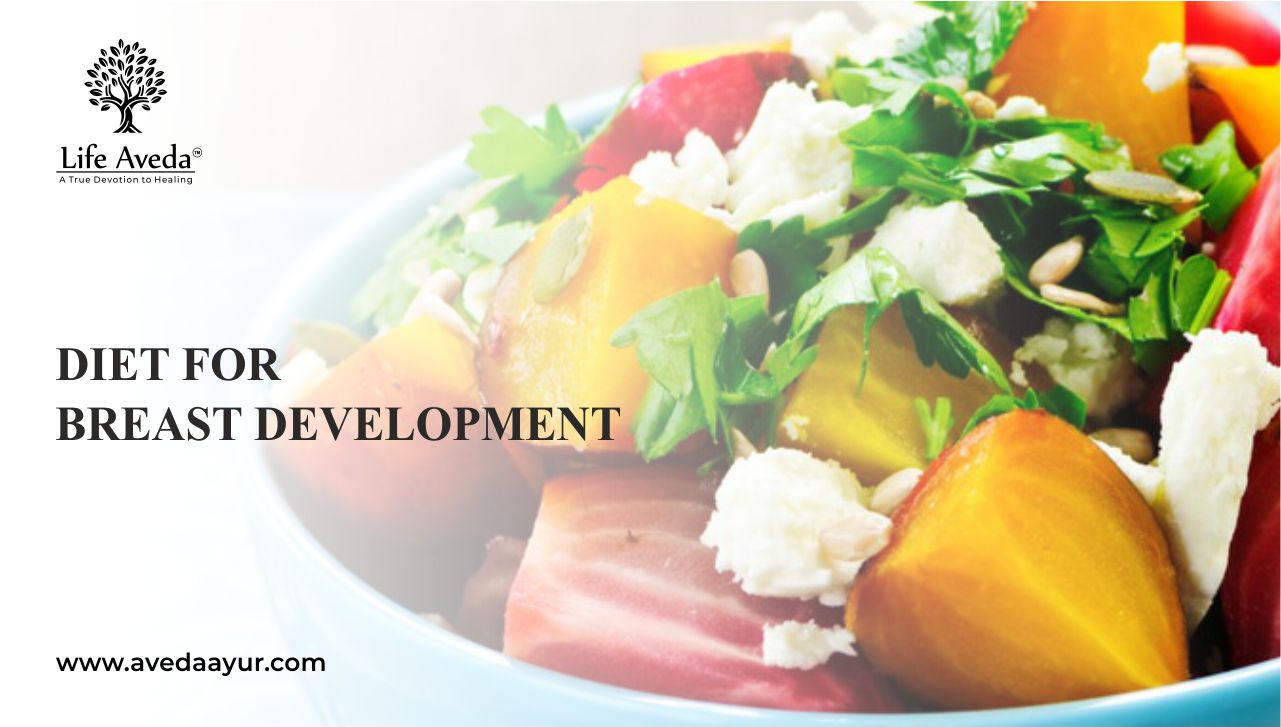
Diet Chart For Breast Development

 diet chart for breast development


breast development


Small breast size is a big issue to be anxious about as the breast is a sign of femininity and gives a charm to the personality of a woman. Various hormones such as progesterone, estrogen and growth hormones are responsible for breast development through a biological process occurring gradually over the female’s life period. We have created a diet chart which will help you in developing breast naturally. You have to follow this diet chart and consume those foods which are permitted in the chart. Avoid the food items which are advised to avoid.

Diet plan for Breast Enhancement 

Early morning- 1 glass water + 1 tsp flax seed

Breakfast- Veg Dalia/ Veg Poha/ Veg Oats/ Veg Idli/ Veg suji chilla/ Veg Upma/ Chapati with Vegetable/ Veg Vermicelli + 1 cup of milk

Mid-morning- Coconut water/ Lassi/ Fruits

Lunch- Veg Dalia/ Veg Khichdi/ Boiled rice/ Chapati + Vegetable + Dal + Curd + Salad

Evening- Herbal tea/ Poha/ Vermicelli/ Homemade soup/ Rice flakes/ Roasted chana

Dinner- Veg Dalia/ Veg Khichdi/ 2 chapati + Vegetable/Dal with salad

Before bed- Milk with turmeric mixed in it

Food to consume and avoid For Breast Development

✔️ FOOD TO CONSUME❌ FOODS TO AVOID
✔️ Cereals: Oats, Barley, Wheat, Brown rice❌ Refined cereals
✔️ Fruits: Dates, Pineapple, Papaya, Kiwi, Pear, Mango, Kiwi, Sapodilla, Orange, Guava, Grapes, Cherries, Strawberry, Raspberry, Plums, Peaches, Pomegranate, Apples❌ All canned and packed fruits
✔️ Vegetables: All green leafy vegetables, Broccoli, Cucumber, Onion, Cauliflower, Cabbage, Radish, Sweet potatoes, Potatoes, Asparagus, Peas, Beans, Celery❌ All packaged and frozen vegetables
✔️ Pulses: All lentils, soybean and legumes❌ Dried and frozen pulses
✔️ Dairy Products: Cheese, Tofu, Soymilk, Buttermilk, Yogurt, Saturated milk❌ Condensed milk, Unpasteurized cheese and Raw milk
✔️ Spices: Cumin, Salt, Turmeric, Fennel and Fenugreek❌ Red chillies
✔️ Drinks: Beetroot juice, Herbal tea, Green juice, Homemade juices and Coconut water❌ Carbonated drinks, Alcohol, Packaged and Canned soups
✔️ Flesh foods: Chicken, Egg white, Prawns, Lean meat, Shellfish, Oysters❌ Nil
✔️ Seeds and Dry fruits: Pumpkin seeds, Almonds, Peanuts, Walnuts, Cashew, Sunflower seeds, Sesame seeds, Flax seeds❌ Nil
✔️ Oils: Mustard oil, Sunflower oil, Olive oil, Canola oil and Cow ghee❌ Palm oil and Unsaturated fats
✔️ Other foods: Homemade soups and Jaggery❌ All fried, junk and bakery foods, dark chocolate, milk chocolate, maida biscuits, peppers, tea and oily foods

Doctor Tips

  1. Take proper sleep for at least 7-8 hours.
  2. Quit bad habits like alcohol consumption and smoking.
  3. Eat well balanced meal.
  4. Don’t skip meals especially the breakfast.
  5. Be physically active and do workout for at least 45 minutes daily.
For the source link on this: diet chart for breast development.

Monday, August 8, 2022

Diet Chart For Amalaki Medicine

 Benefits Of Amalaki


Amla or Amalaki which is also known as Indian gooseberry is a widely used ingredient both in Ayurveda and Allopathic medicine. The word Amla means “sour” which is a Hindi word used for a fruit tree Emblica Officinalis or Phyllanthus Emblica) which is found in India, the Middle East, and some southeast Asian countries. The other Sanskrit nicknames of Amla mean mother, nurse, and immortality.

Key facts of Amalaki

  • Amalaki is a medium-sized tree that grows yellow-green berries.
  • It’s found in India but also grown in Pakistan, China, Sri Lanka, Indonesia, and Malaysia.
  • Amalaki has a sour taste.
  • Amalaki is rich in vitamin C and contains antioxidants.

The botanical name is Emblica Officinalis or Phyllanthus Emblica.

 Family: Euphorbiaceae

Other names of Amalaki

  • Sanaskrit name Amalaki
  • Hindi name Avala
  • English Name Indian gooseberry
  • Malayalam Name Nelli
  • Kanada Name Nellikai
  • Marathi Name Avale

Taste: Five Tastes (Sour, Astringent, Sweet, Bitter, and Pungent). It does not contain a Salty taste.

Parts Used: Fruits

Properties of Amalaki

  • Anti-oxidant
  • Immunomodulator
  • Hypoglycemic
  • Hypolipidemic
  • Hypotensive
  • Antacid
  • Tonic
  • Mild laxative

Amalaki comprises phytoconstituents like ellagic acid, amlaic acid, phyllantine, phyllantidine, zeatin, zeatin nucleotide, zeatine riboside, benzenoid, chebulnic acid, etc.

Amalaki has high medicinal value and is considered one of the important herbs in Ayurveda. It can be effective to treat:

  • Diabetes-Prameha
  • Skin diseases-Kushta
  • Fever-Jwara
  • Anemia – Pandu
  • Bleeding disorders- Raktapitta
  • Jaundice- Kamala
  • Arthritis -Vatarakta

According to the Charaka Samhita,’ Of all the Rasayanas, Amalaki is revered as one of the most potent and nourishing; Amalaki is the best among rejuvenating herbs.” In Ayurveda, Rasayanas are considered rejuvenating therapies that help in anti-aging and longevity. Many researchers advocate the use of Amalaki on daily basis for healthy living.

Amlaki which is known as the Rasayana herb improves and restores the process of conservation, transformation, and resurgence of the life force. In the flagship formula of Ayurveda, Amlaki is the chief ingredient in Chyvanprasha.

Benefits of Amalaki

Amalaki is considered the best anti-aging ingredient in Ayurveda because it has numerous benefits.

  • The highest source of heat-stable Vitamin C
  • Improves digestion, metabolism, elimination, and normal liver.
  • Rich in polyphenols
  • Skin and hair benefits

Ayurvedic Properties of Amalaki

  • Rasa (taste): sour, sweet, pungent, bitter, astringent
  • Veerya (action): Cooling
  • Vipaka (post-digestive effect): Sweet

Health Benefits of Amalaki:

  • Slowdowns the aging process
  • Prevents common cold
  • Boosts immunity and restores the body’s vitality.
  • Helps to recover from chronic illness.
  • Regulates blood glucose levels in diabetic patients.
  • Helps in iron absorption and increases hemoglobin levels.
  • Helps in gastrointestinal tract inflammation like gastritis.
  • Helps in indigestion.
  • Promotes spermatogenesis.
  • Reduces serum cholesterol and reduces high blood pressure.

Medicinal Properties of Amalaki

Shota Hara- Anti inflammatory

  • Rasayana – Rejuvenate
  • Medhya- Promotes intelligence
  • Kesya- Promotes hair growth
  • Swasshara- Cures asthmatic  conditions
  • Varnya- Increases complexion
  • Pramehahara – Cures diabetes
  • Kushtaghna- Useful in skin  diseases
  • Krimingha- Useful in worm diseases
  • Vishaghna- Useful in poisoning
  • Kasahara- Cures cough
  • Sula Hara- Relieves pain
  • Chardinga- Cures vomiting

 Traditional Benefits of Amalaki

  • Vayasthapna- anti-aging herb
  • Chakshushya- good for eyes and improves vision
  • Sarvodoshangha-  Balances Vata dosha
  • Balances Vata due to its sour taste
  • Balances  Pitta due to its sweetness and coldness
  • Balances Kapha due to dryness and astringent properties
  • Raktapittaghna- helpful in bleeding disorders
  • Pramehaghna-  helpful in diabetes.
  • Amalaki is quite an essential herb and its fruit is widely used in Ayurveda to cure the common cold and fever, etc. Moreover, it has various therapeutic uses as well. In this article, we have covered the information about amalaki as medicine.
     For the source link on this: amalaki as medicine.


Best Ayurvedic Medicine For Menopause

  Menopause is a process that usually begins either between the ages of 45 and 55 or before and after the age range.  It is defined as a sta...